
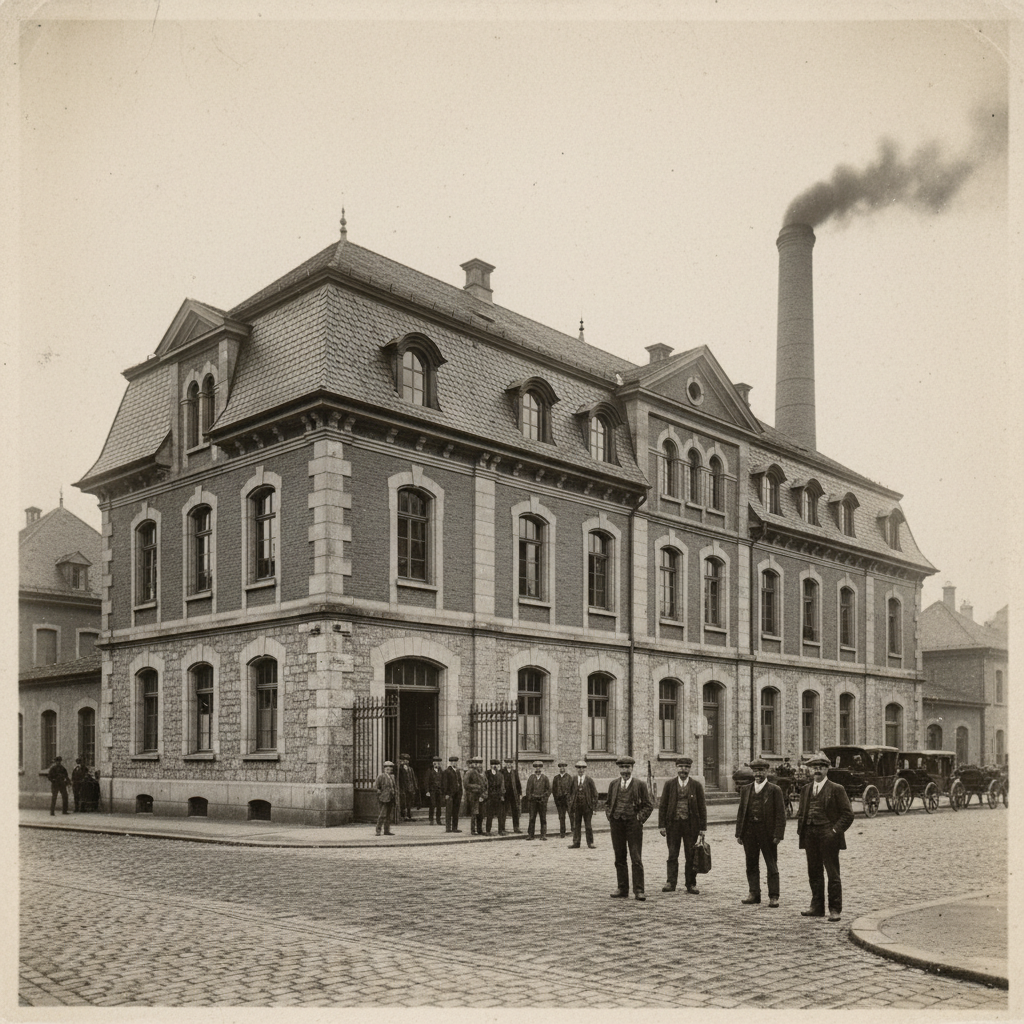
A name earned over 150 years.
Revived with discipline.
We did not create the Langendorf name. We did not inherit it.
We did not receive it from a family member, a business partner, or a legal estate. We studied it. We respected it. And in 2025, we accepted the weight of carrying it forward — not as a claim of ownership, but as an act of responsibility toward what it represents.
This page is not our story. It is the story that made the name worth reviving.
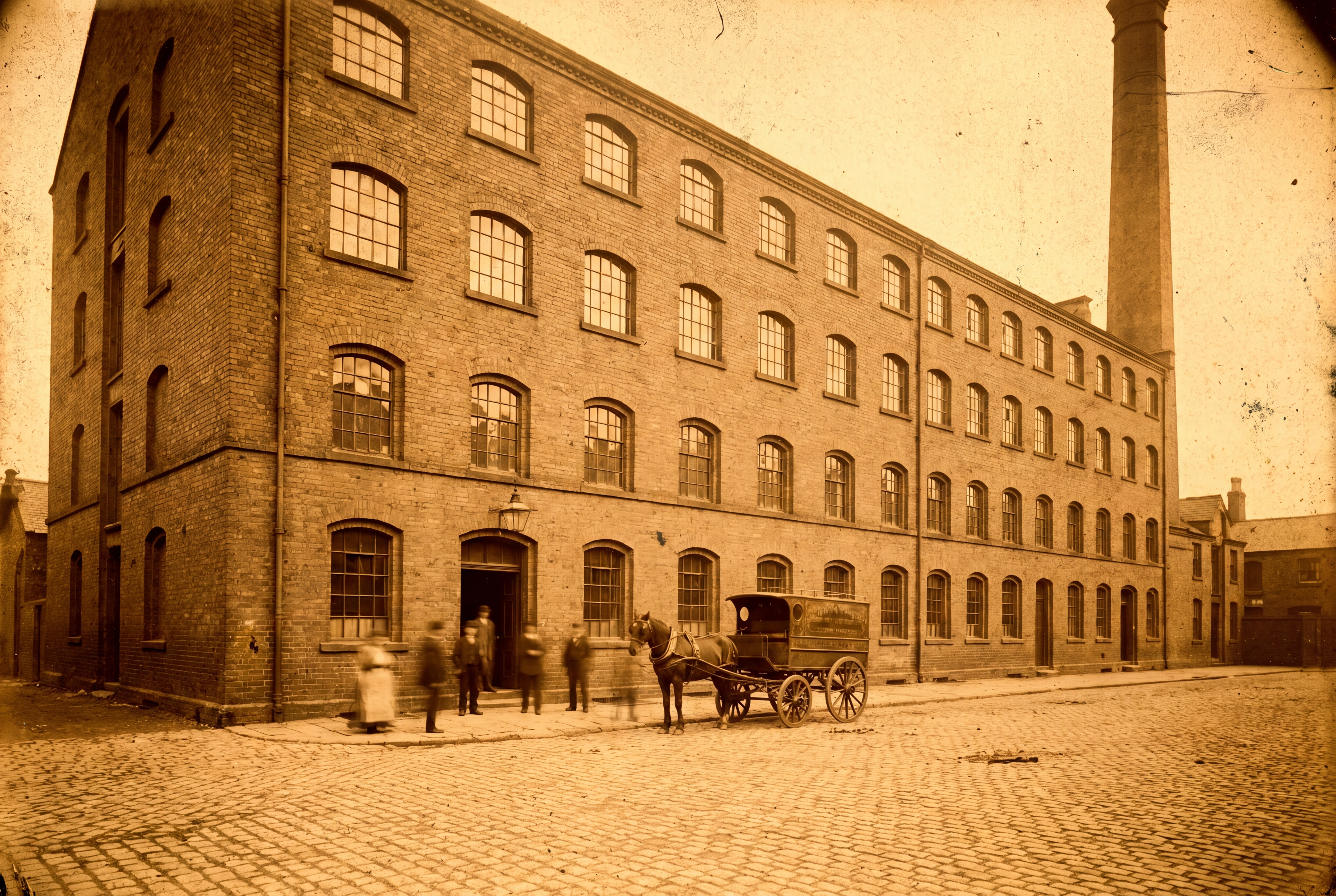
A factory before it was a name.
Colonel Johann Viktor Kottmann converts a former factory in Langendorf, Switzerland into a precision watch movement manufacturing facility. The early years are difficult. Workforce conditions are poor. Productivity is unstable. The name has not yet earned anything. It is merely a place.
Worker housing. Schools. Electric light.
Under Karl Kottmann, the company undergoes a fundamental restructuring — not of machinery, but of culture. Worker housing is built. Schools are funded. Streets receive electric lighting before most Swiss cities. By 1890, Langendorf employs approximately 1,000 workers and produces at a scale unmatched by any other Swiss manufacturer. The name begins to mean something.
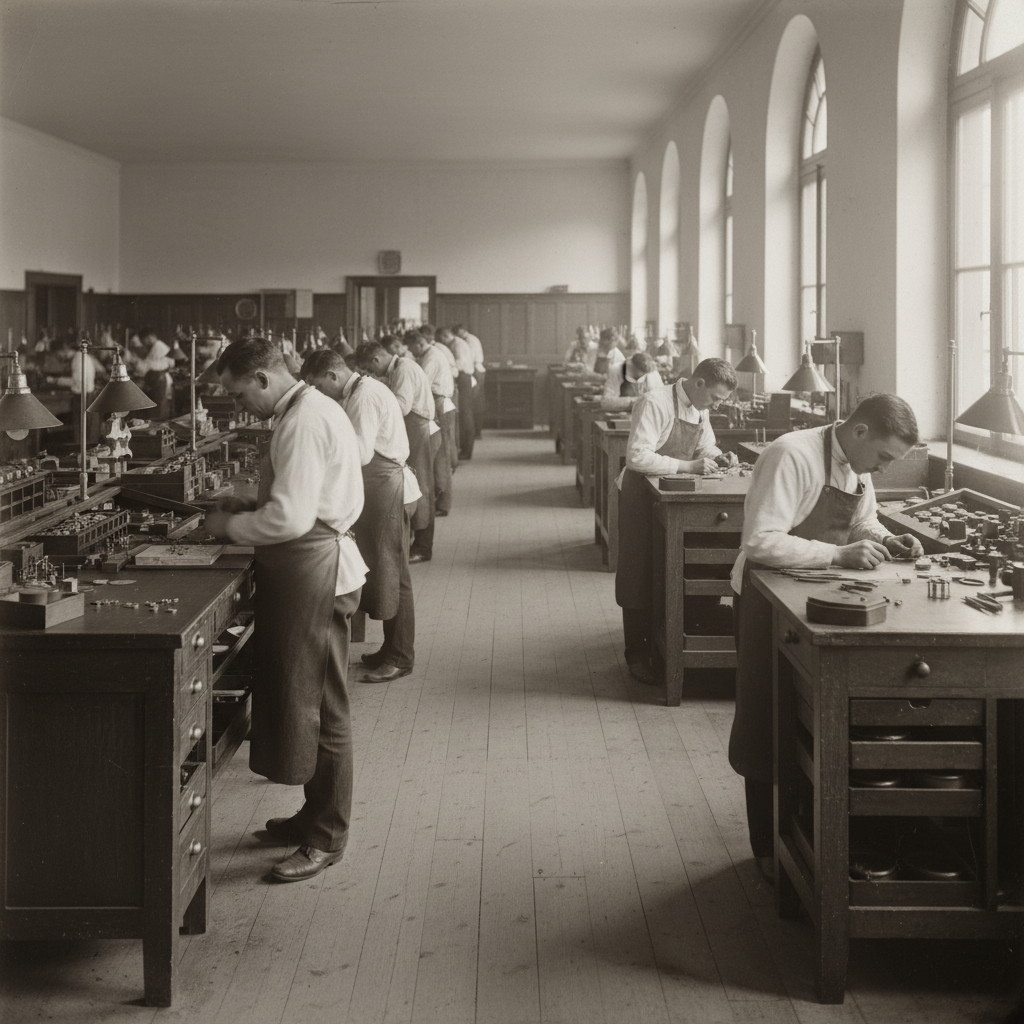
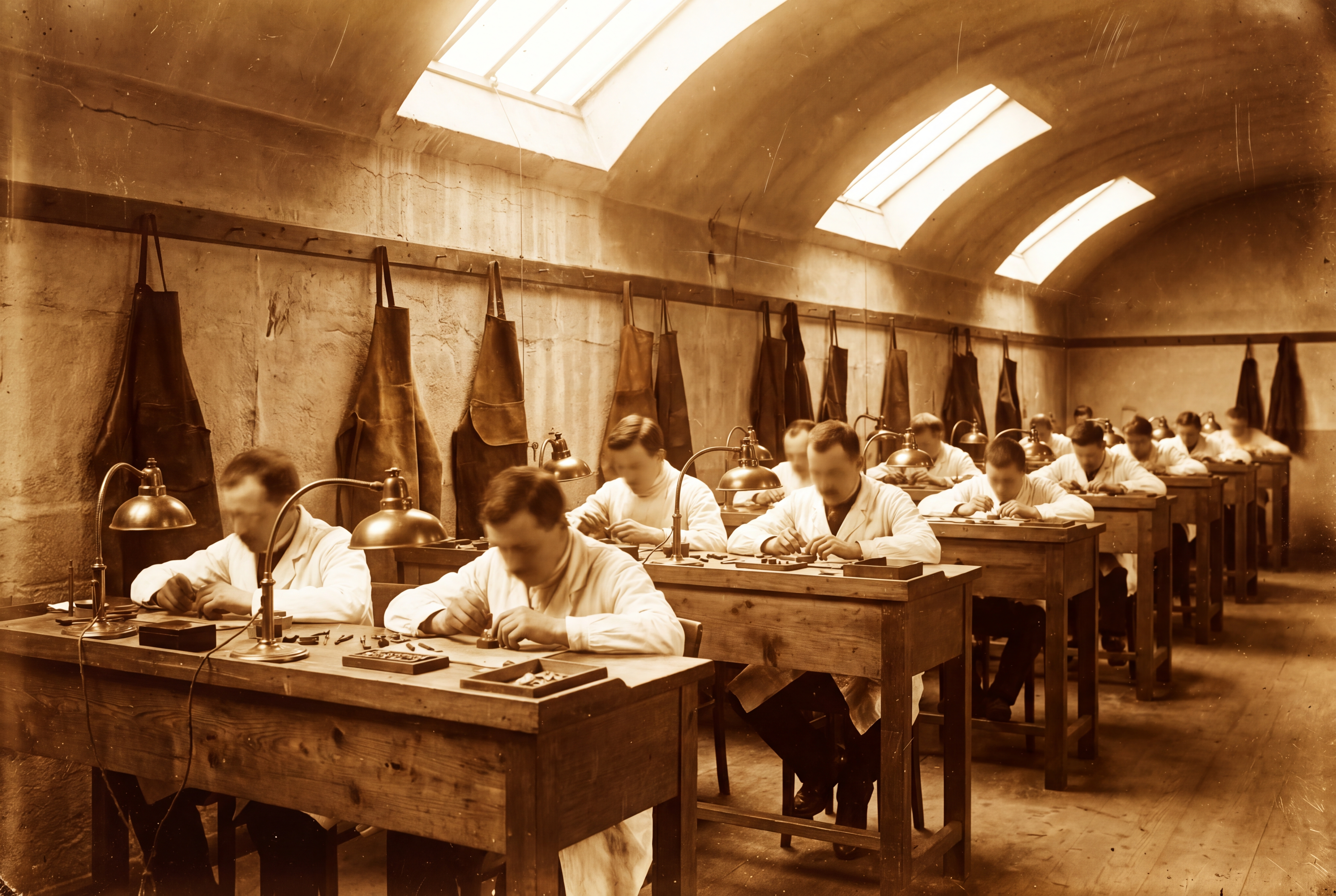
The precision that others built watches around.
Lucien Tièche assumes management and renames the enterprise the Langendorf Watch Company. Export markets expand. Technical quality improves. Langendorf movements are found in watches across Europe, the Americas, and the Far East. The company does not sell watches. It supplies the precision that others build watches around.
Quality under constraint: that is the Langendorf standard.
Production is partially redirected toward military-grade instruments and timing mechanisms. The factory does not close. The workforce does not diminish.
3,000 timepieces per day.
Under Ernst Kottmann, the factory transitions from steam to electric power. Output reaches approximately 3,000 timepieces per day. An unprecedented figure for any Swiss manufacturer of that era — or since. Langendorf is not merely large. It is the largest.
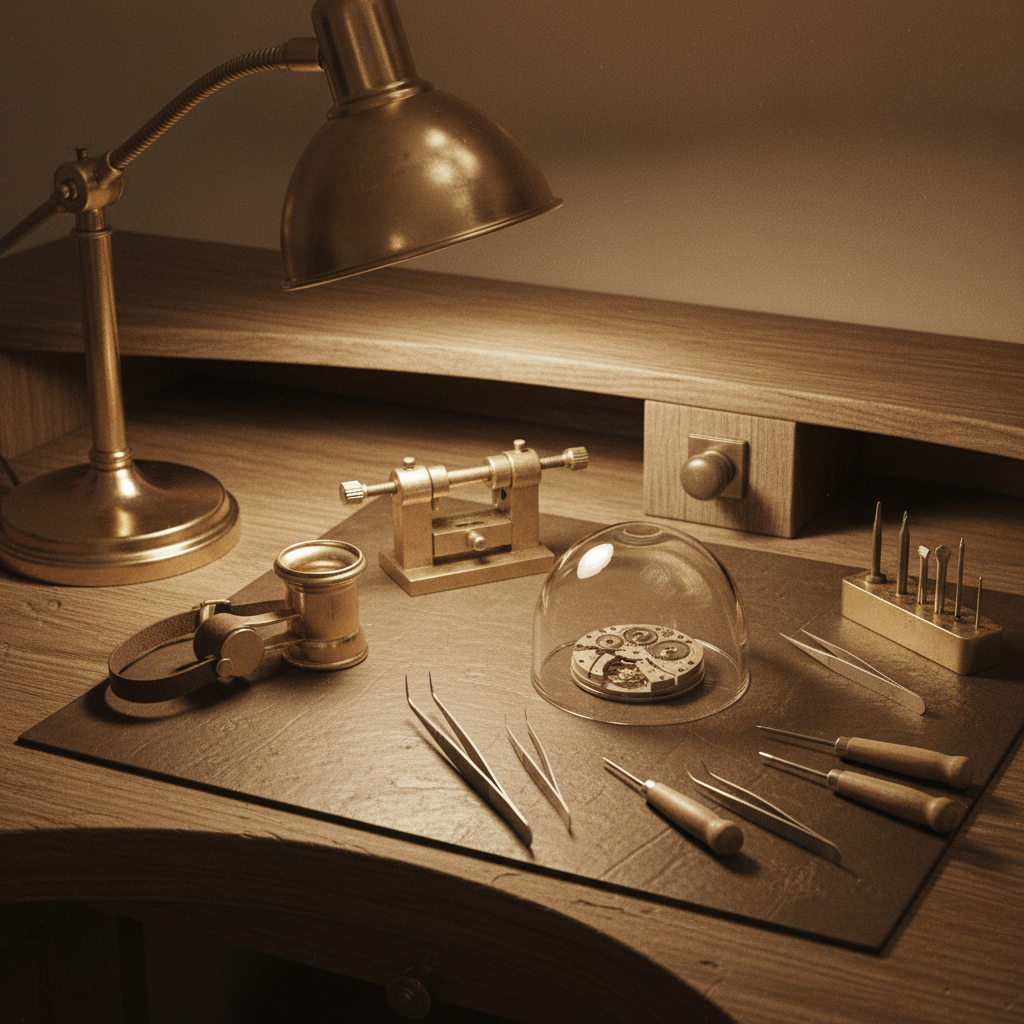
Precision does not pause for politics.
The Second World War brings material shortages and restricted export markets. Langendorf continues.
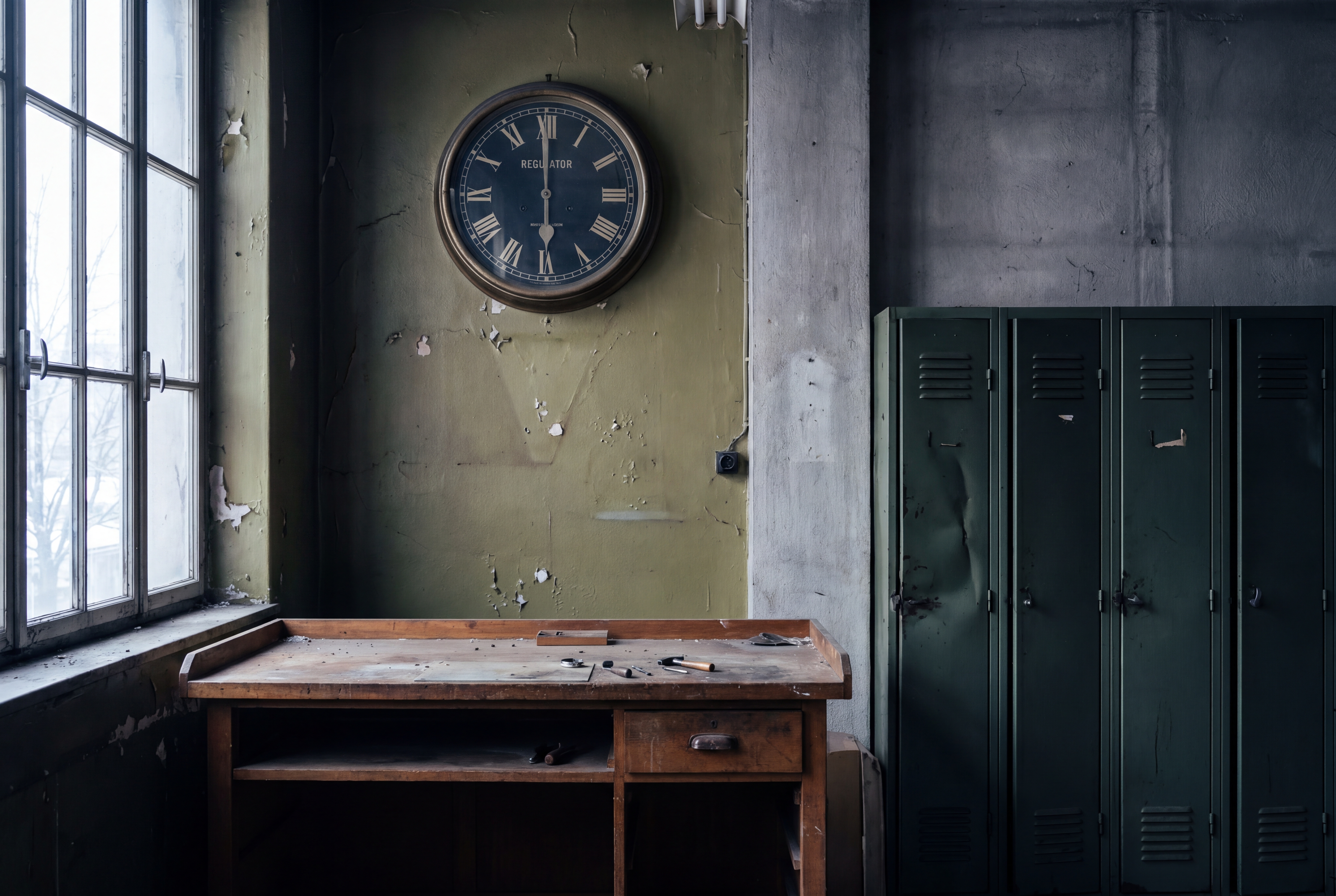
From raw material to finished instrument — entirely in-house.
The post-war decade brings investment, new machinery, and market expansion. By the 1950s, Langendorf is one of the few Swiss manufacturers capable of producing a complete watch movement — from raw material to finished instrument — entirely in-house. Vertical integration as a philosophy, not a strategy.
The name disappears from watchmaking for 52 years.
1964: Langendorf joins the Société Suisse des Garde-Temps consortium. 1965: Acquired by SSIH — the Société Suisse pour l'Industrie Horlogère. 1973: Production ends. The historic factory is later converted into a Migros supermarket.
The Langendorf name returns to Swiss watchmaking.
2025 — The Langendorf name returns to Swiss watchmaking. This revival continues the tradition of precise, disciplined craftsmanship, with production carried out in deliberate restraint.
Each piece is created for those who value substance, heritage, and enduring standards — a continuation of the name's legacy into the modern era.